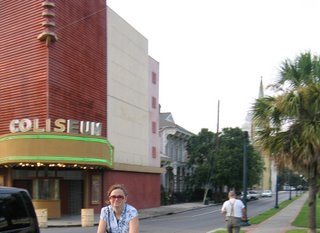
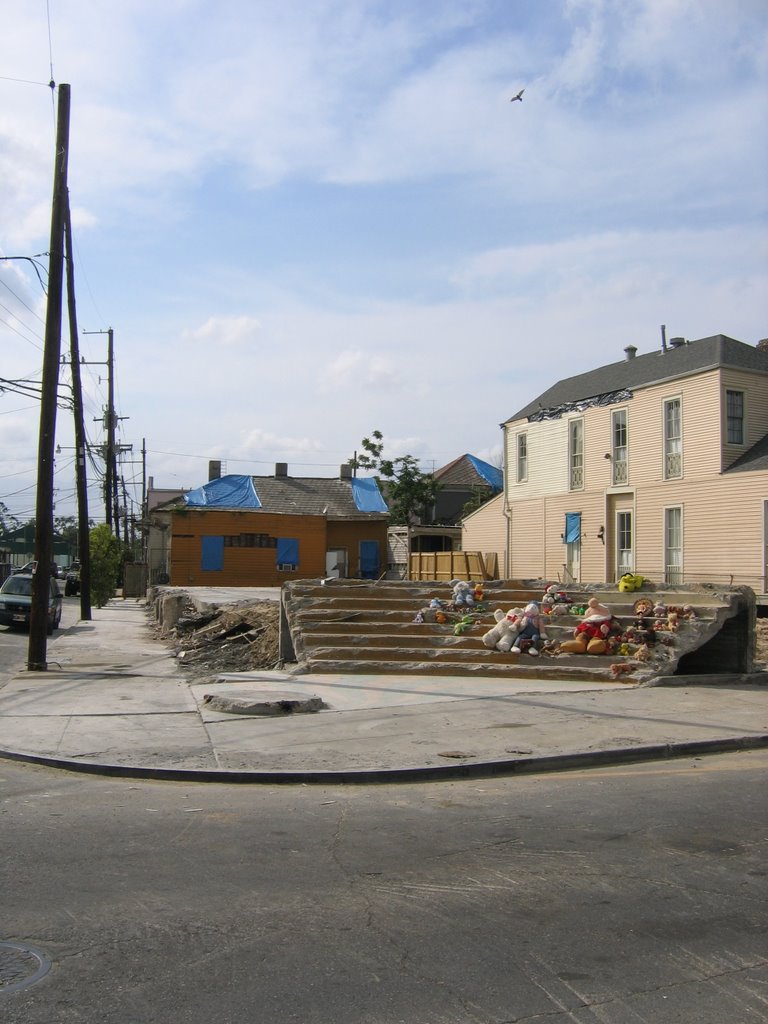
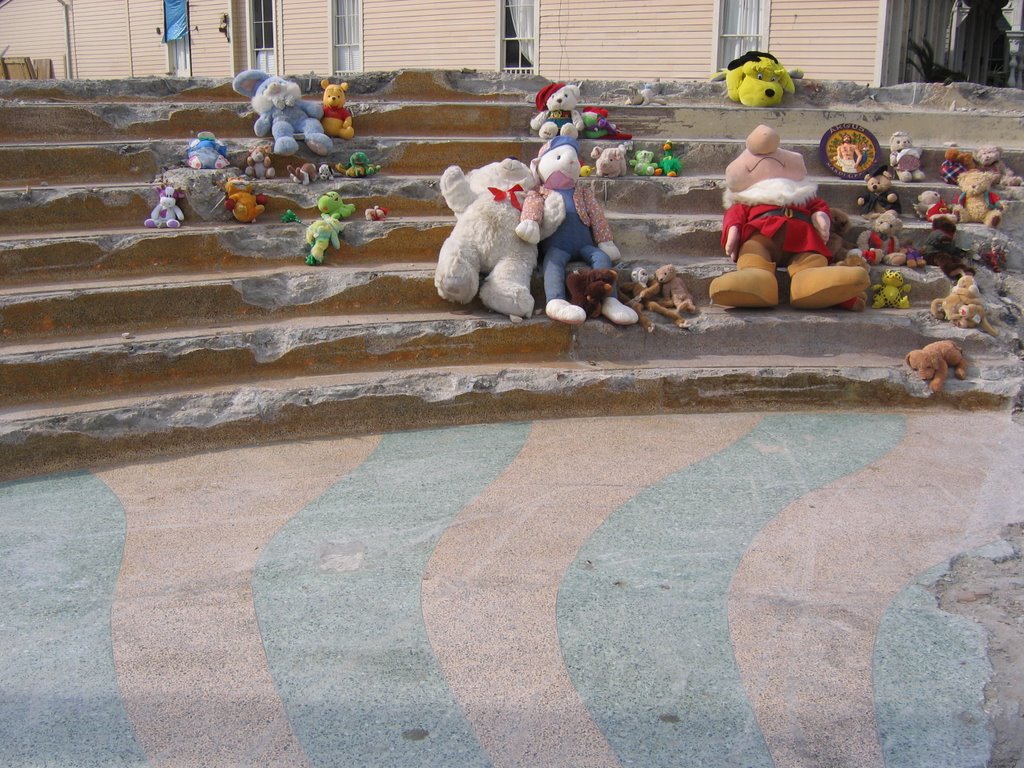
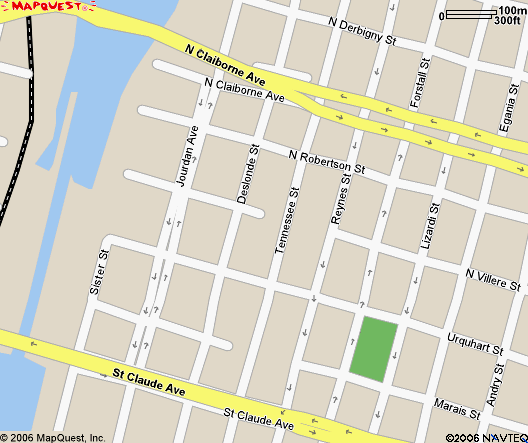
Correction: The photos shown in this series are from the area bounded by Claiborne Ave, Florida Ave, The Inner Harbor Canal and around Choctaw Street:
 Map from Mapquest.com
Sorry. I forgot that I crossed Claiborne.
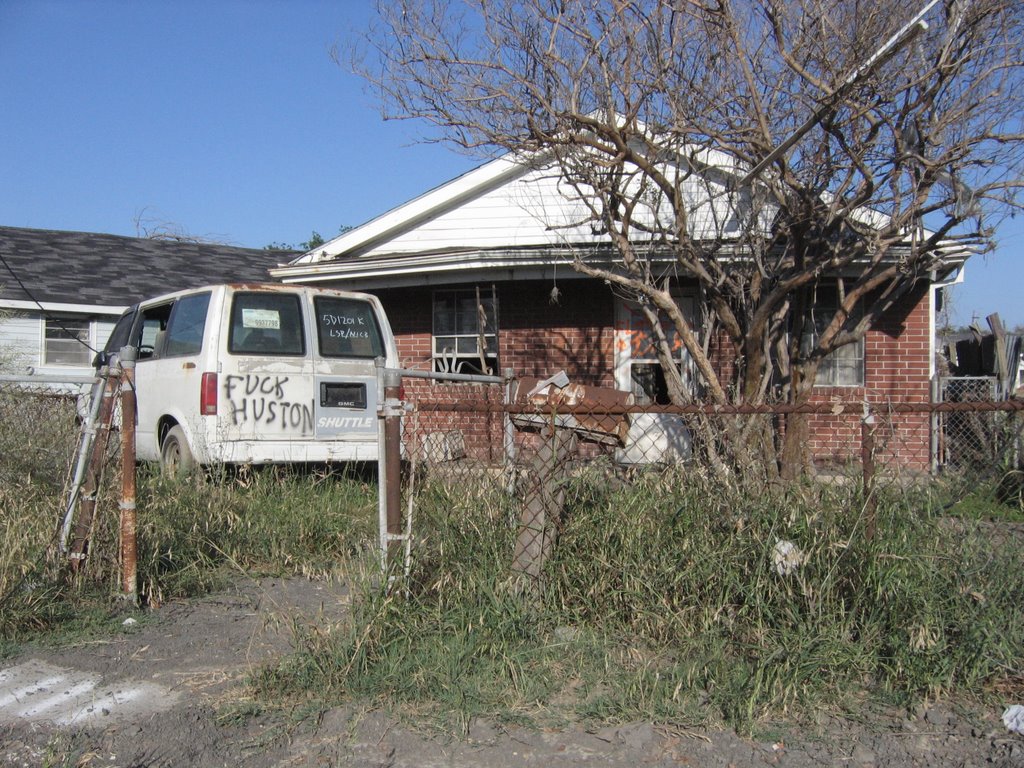

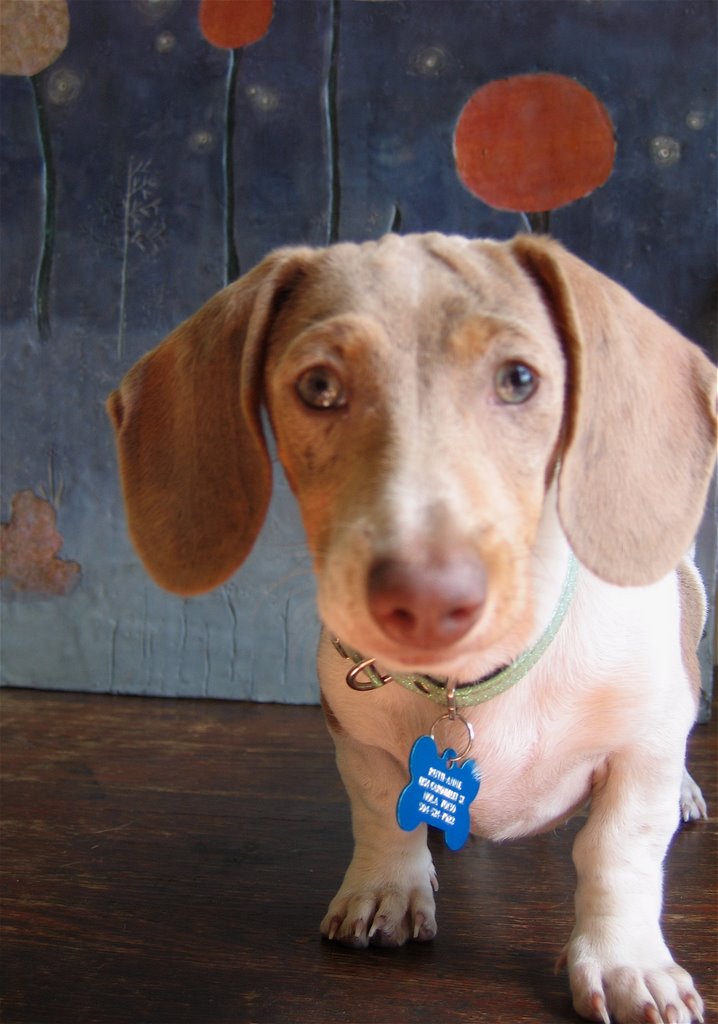
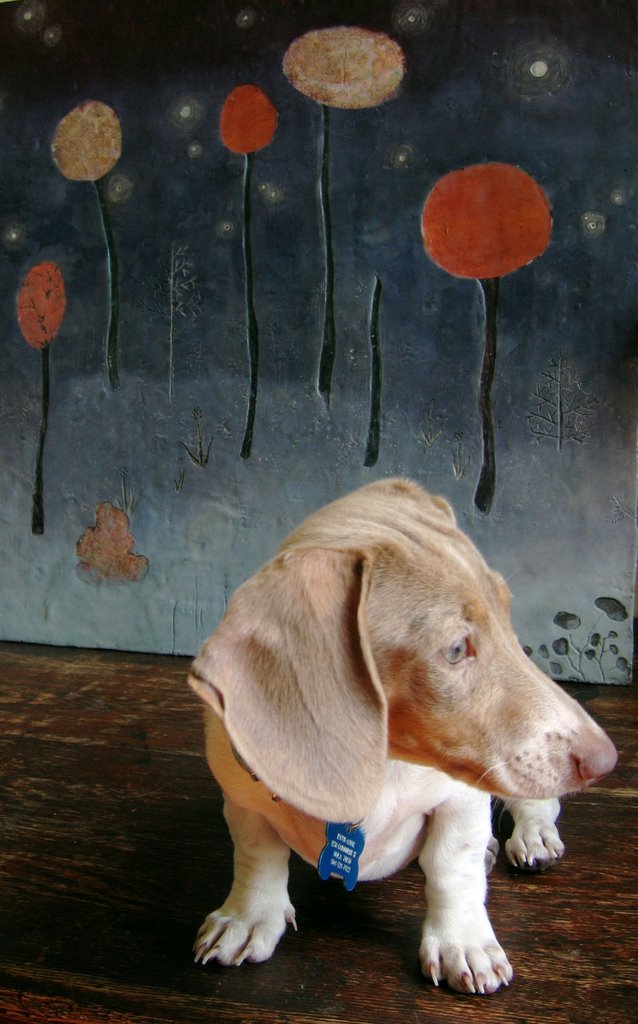
 Ray was out today, on Martin Luther King Boulevard and Claiborne, shaking hands and talking with the public. I was in the passengers seat, but Miranda got to slap hands with him and we got this Lady-of-Guadalupe-ish flyer to boot.
 First up: Miranda and Ruth-Anne


 "The Huey P" Bridge, coming down to land in Bridge City on the West Bank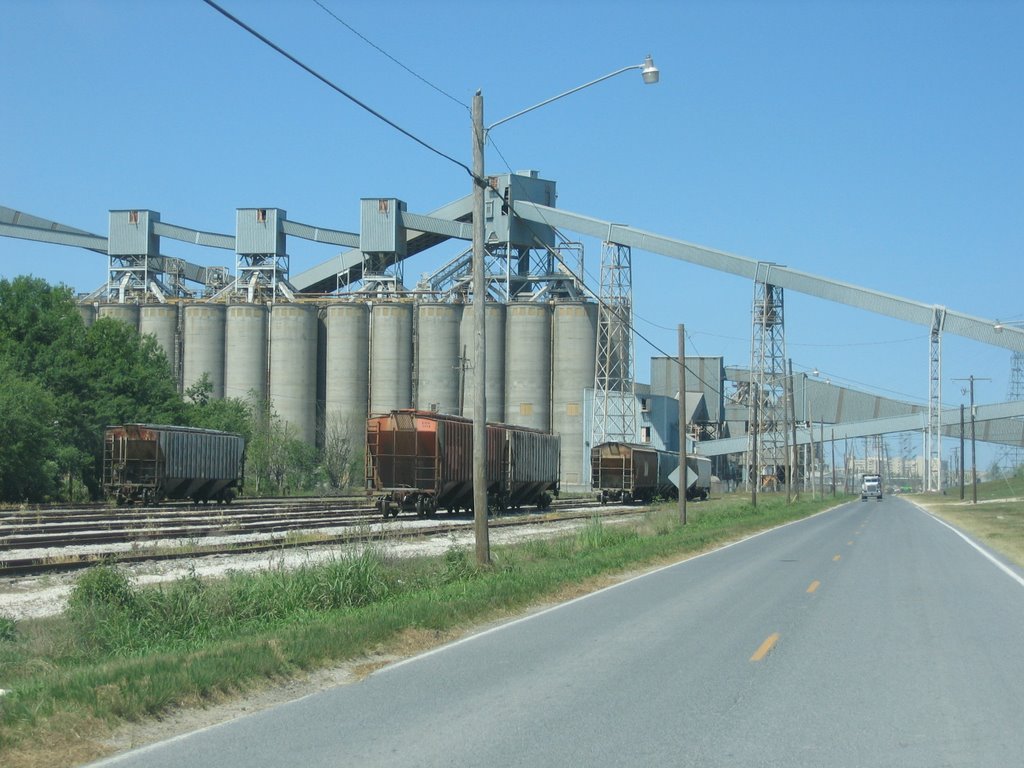
 photo from http://jonathanferraragallery.com/current.html
With her first show, Miranda Lake paints herself into the pantheon of promising N.O. artists
5/21/04
By Doug MacCash Art critic
Once in a rare while a rookie baseball player hits a home run his very first time at bat in the big leagues. Figuratively speaking, that's just what 34-year-old New Orleans artist Miranda Lake has done with "Elysian Fields," her excellent debut solo exhibition of encaustic (colored bees wax) paintings at Jonathan Ferrara Gallery.
The title refers to the idyllic ancient Greek version of heaven, with its glowing landscape and perfumed air. But Lake's vision of the Elysian Fields is much harsher and stranger, including stark black-and-white photos floating in frozen surrealistic deserts or atop cold wind-blown seas. The few trees are coated with human eyes. Raindrops seem to be falling upward. Gaps between ocean waves reveal patches of road map. Strange diagrams -- a hybrid of Egyptian hieroglyphics and chemistry-class schematics -- float across the horizon. Fish vertebrae hover in the sky. It's an odd, lonely place, made sadder and more mysterious by the puddles and droplets of translucent gray, pale blue and brown wax that coat everything like a light snowfall.
Lake's use of wax paint to depict the afterlife is no accident. As she learned studying encaustic technique at the Anderson Ranch Art Center in Colorado last year, the Egyptians used colored wax to create funeral portraits 2,500 years ago -- and many survive to this day. In a recent phone conversation she pointed out that she's begun applying that funereal-art tradition to her own family. Childhood photos of her late father and late brother appear in many of her new works.
"Primarily I'm working with family photos," she said, "so I guess the work is fairly personal, but it has universal appeal I hope. There are archetypical images of childhood and growing. I'm trying to figure out some of the choices made by people in my family. If they knew how their lives were going to turn out, how would they have lived their lives differently. I think there's a sense of fate or destiny in some of these pictures."
There certainly is a sense of destiny in the pictures. Lake, who says she's only painted seriously for one year, is destined to be among the best of the generation of young artists making the Crescent City art scene so vivid and vital.

 I was watching The White Bitch (explanation A, explanation B) on Saturday night and he dedicated his show to Buck Owens.

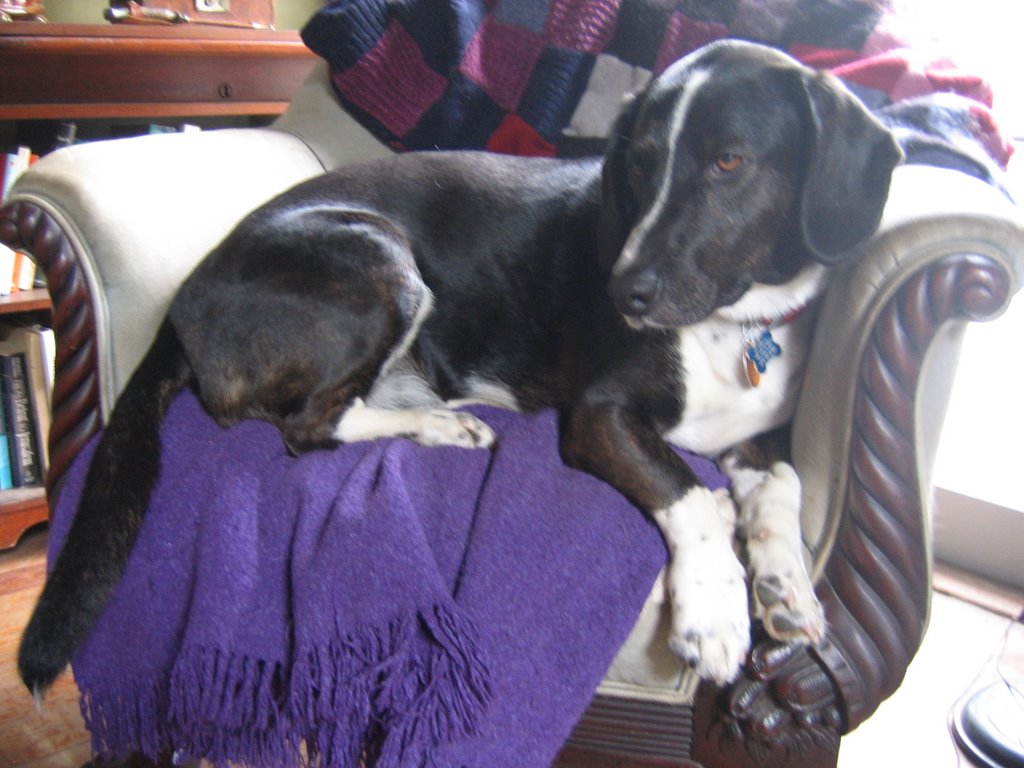 Mr. Whipple




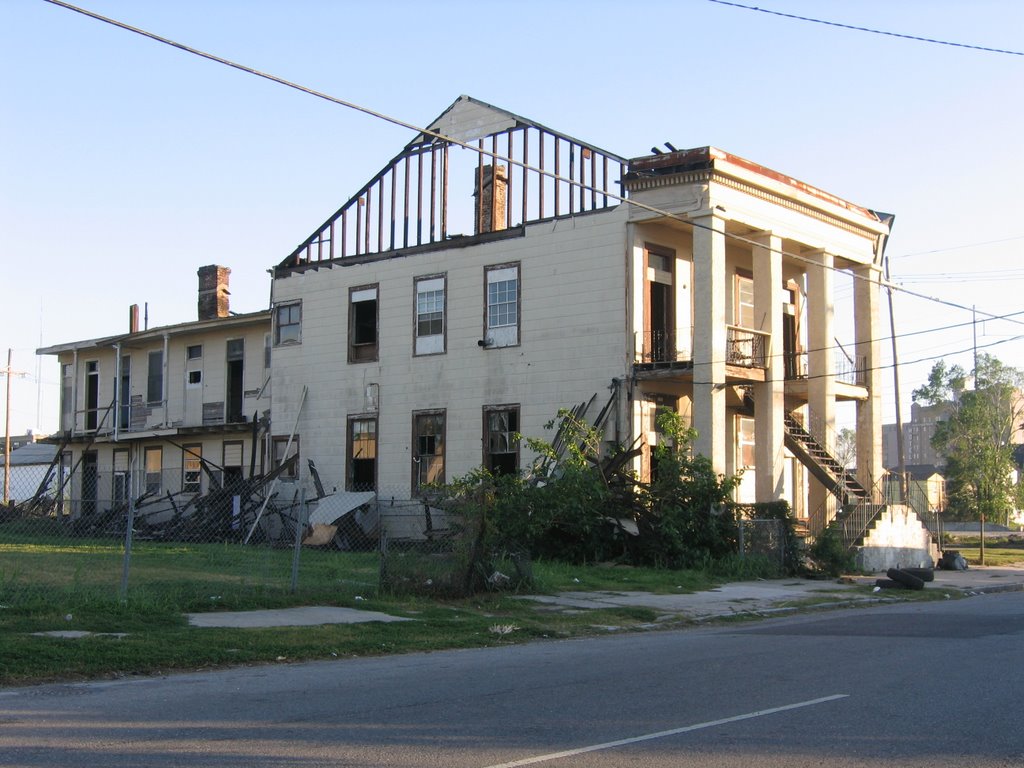
 This house is located on Baronne street, close to Felecity street. This house didn't look like this about two weeks ago. The roof and back walls have disappeared since then. How many families could this one hold? Baronne street is two blocks from St. Charles, the main parade route for Mardi Gras and grand thoroughfare for New Orleans. It did not flood; it's in the historic footprint of the city.
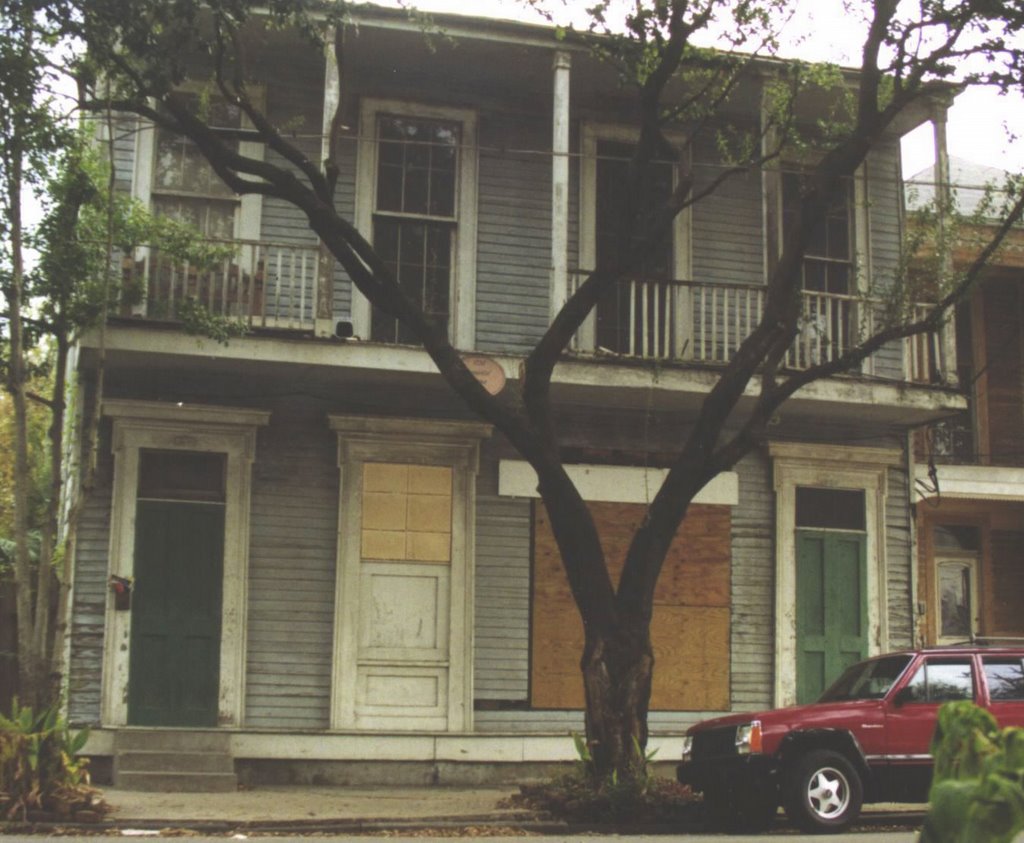 Picture by Felicity Street Redevelopment
 Picture by Felicity Street Redevelopment
 It was a beautiful two story blue house before the storm. Could have housed at least two families.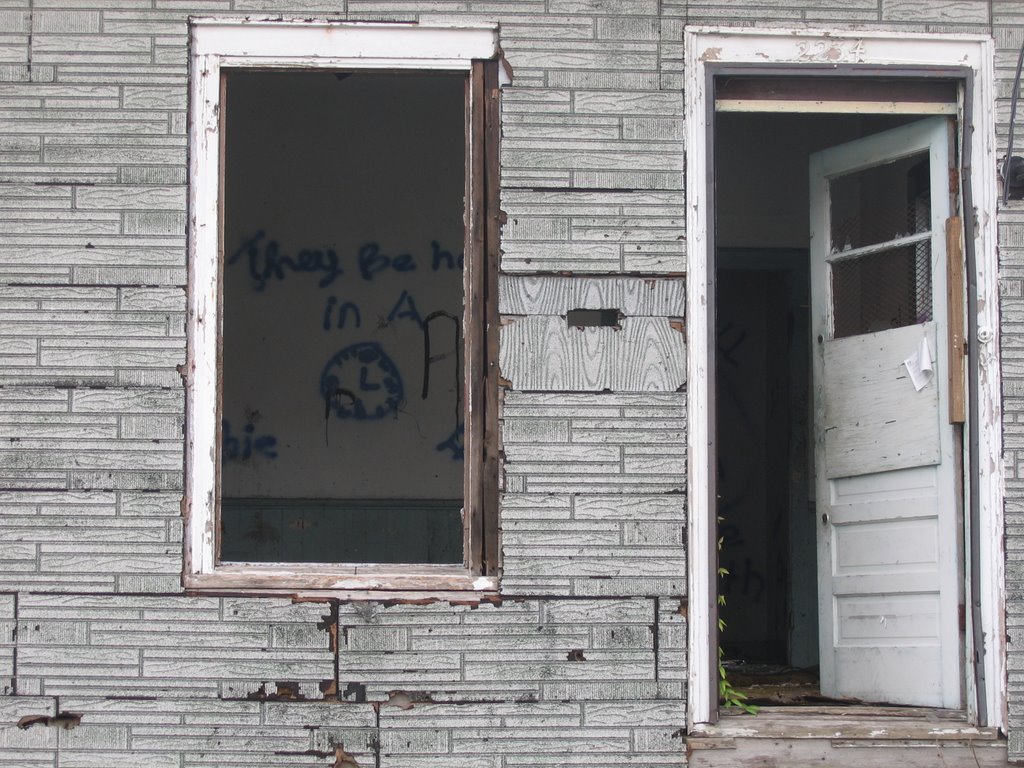


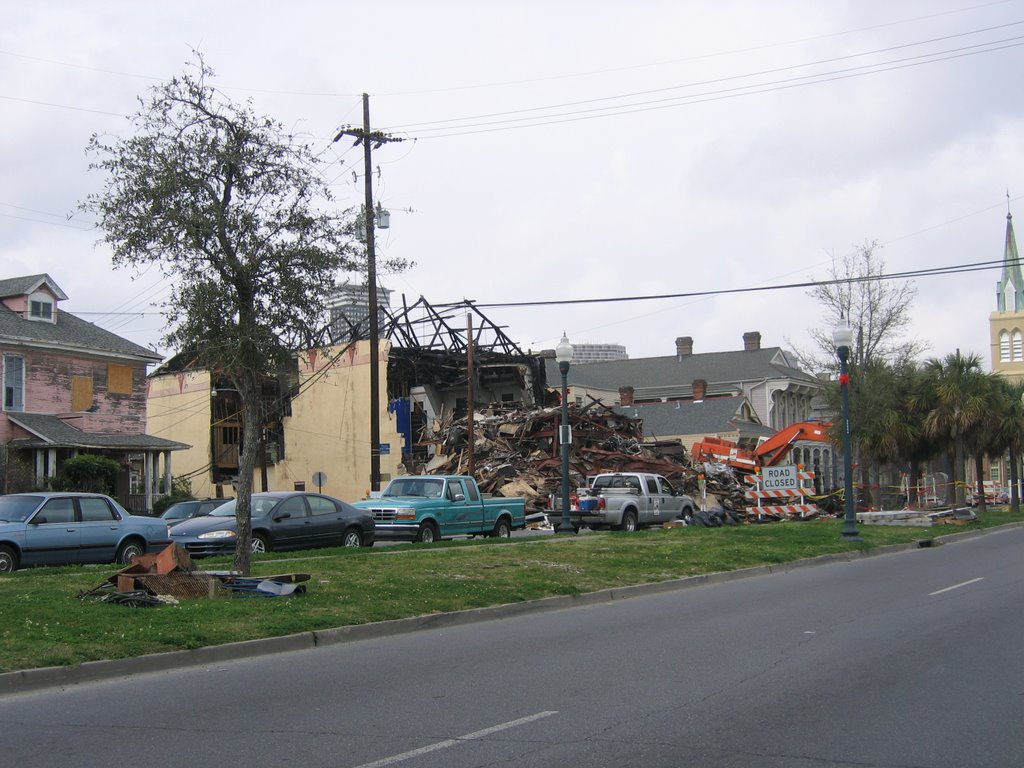

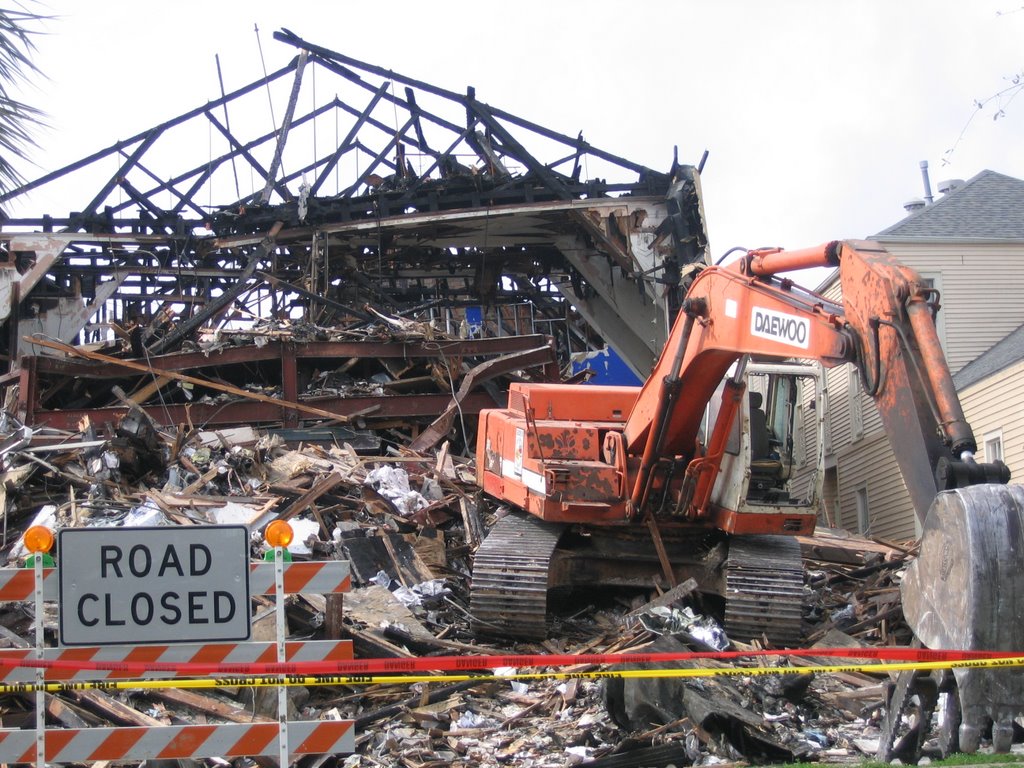 I don't know how, but I can still be shocked at the destruction of a building, even after being surrounded by the ravaged or destroyed architecture of the city for months and months. Even after all the trash piles, this is so depressing.